The Marais
A district once home to the nobility, now one of the liveliest and most singular areas in Paris.
The Marais
Living in the Marais,
if only for a few days
No Haussmannian boulevards, no sweeping perspectives — only paved streets, hidden courtyards and 17th-century façades standing alongside contemporary art galleries. A district that has remained true to itself through the centuries.
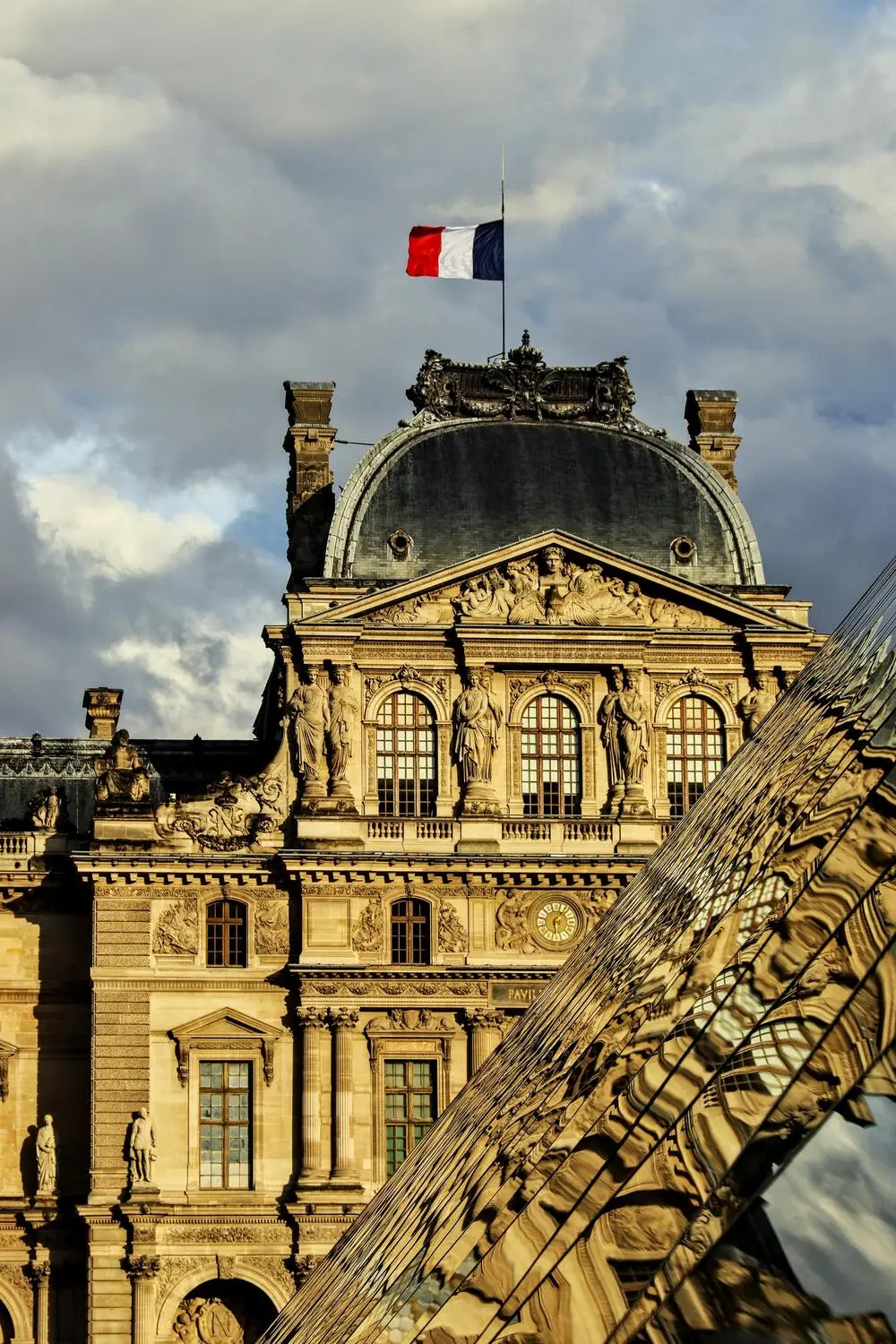
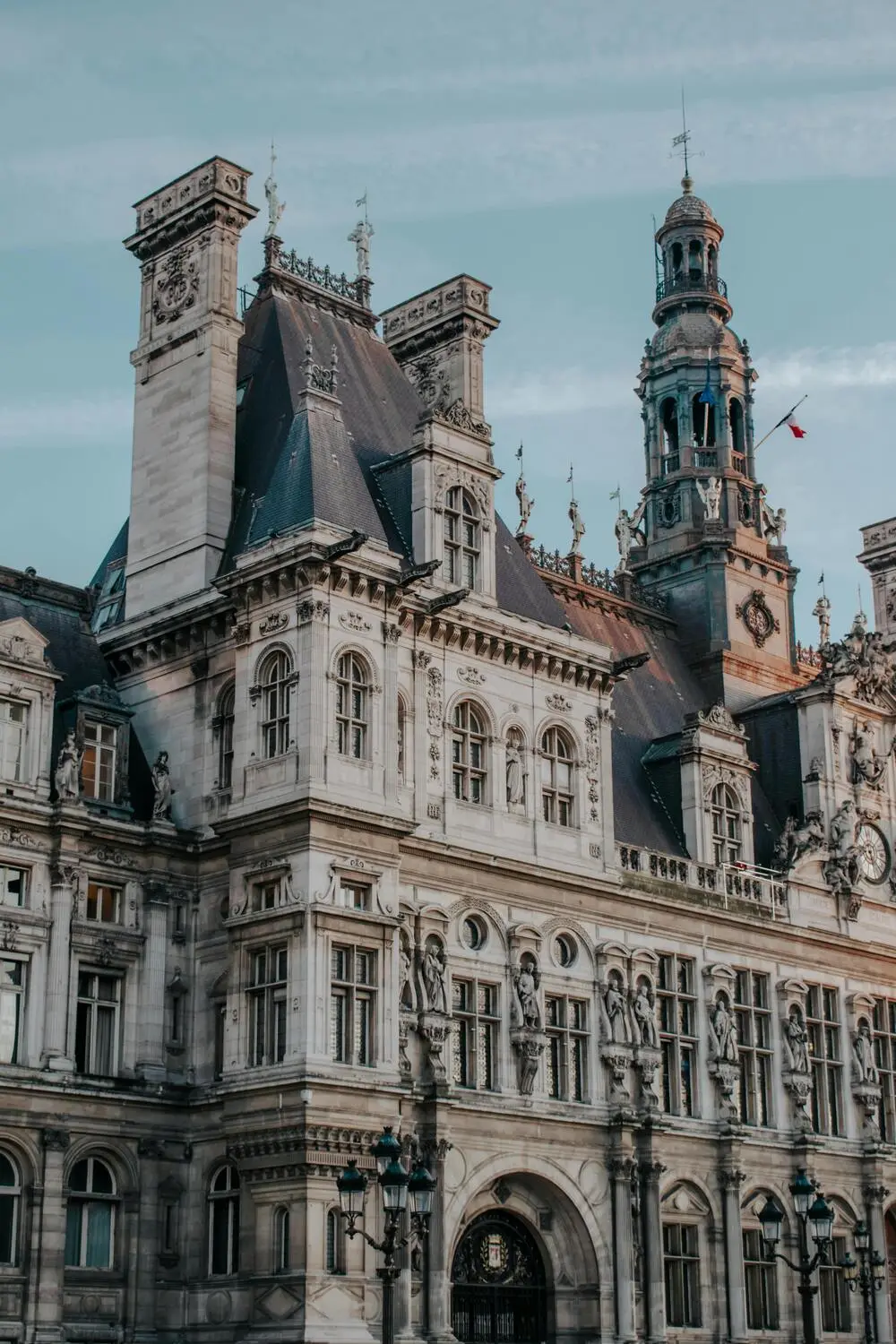
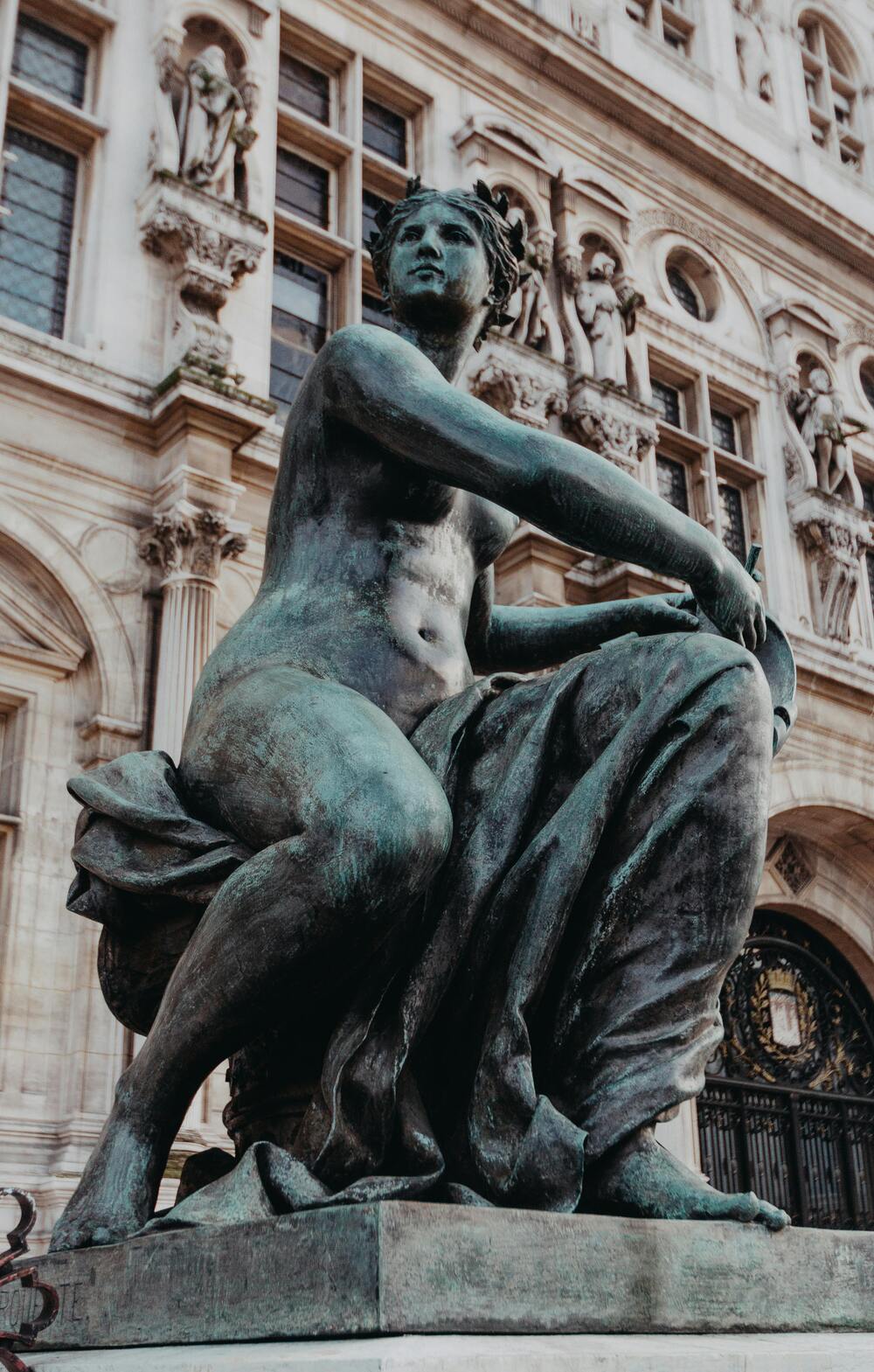
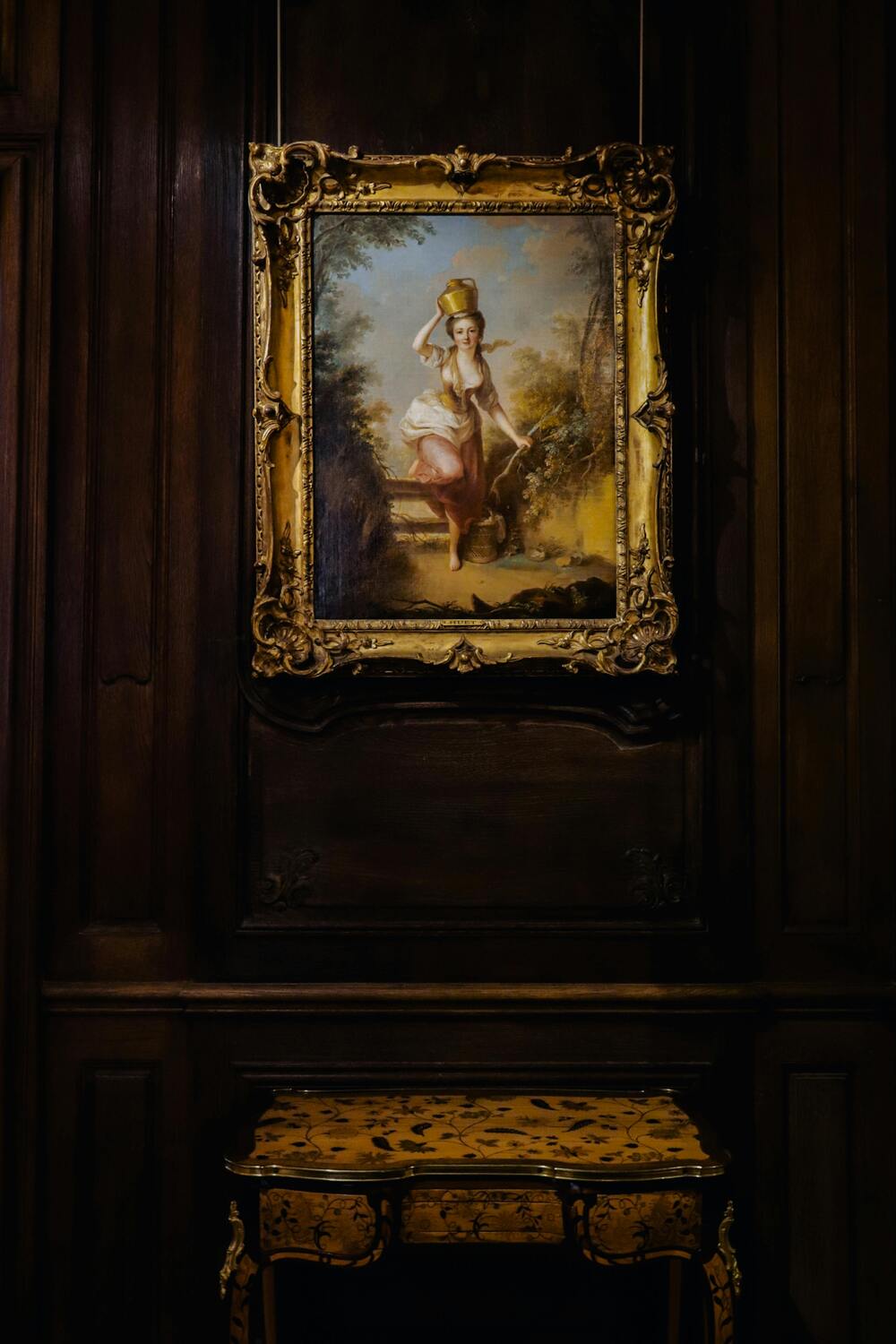
The history of the Marais
A district
shaped by centuries
From medieval marshland to contemporary art galleries, the Marais has preserved much of its historic fabric.
Living the Marais
Several districts,
one address
The Marais brings together several communities and identities. The Jewish quarter, established around Rue des Rosiers since the late 19th century — known as the Pletzl — with its shops, bookshops and restaurants. Engraved plaques on the façades recall the heavy toll paid by the community during the Second World War.
Since the 1980s, the district has also become the heart of Paris’s gay community, centred around Rue Sainte-Croix-de-la-Bretonnerie. Rue du Temple and Rue des Archives are known for their jewellery and leather goods shops. It is also a historic district of watchmakers.
Since the 2000s, the Marais has concentrated much of Paris’s contemporary art scene — internationally renowned galleries, trendsetting boutiques and luxury houses such as Chanel and John Galliano.
Around the hotel
The Marais
on foot
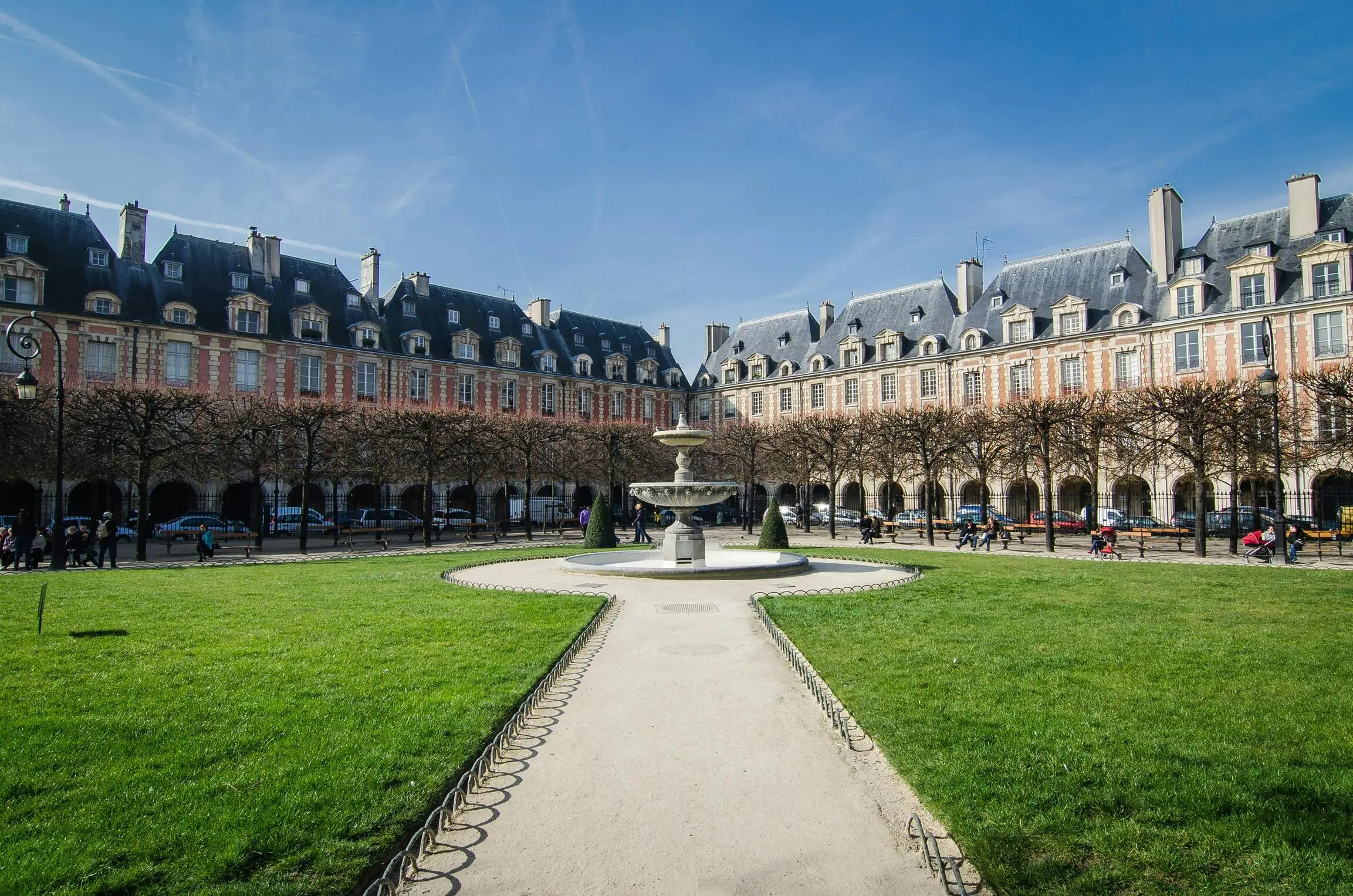
Place des Vosges
12 min
Rue des Rosiers
5 min
Hôtel de Sully
9 min
Picasso Museum
10 min
Carnavalet Museum
8 min
Cognacq-Jay Museum
7 min
Mémorial de la Shoah
3 min
Centre Pompidou
8 min
Île Saint-Louis
11 min
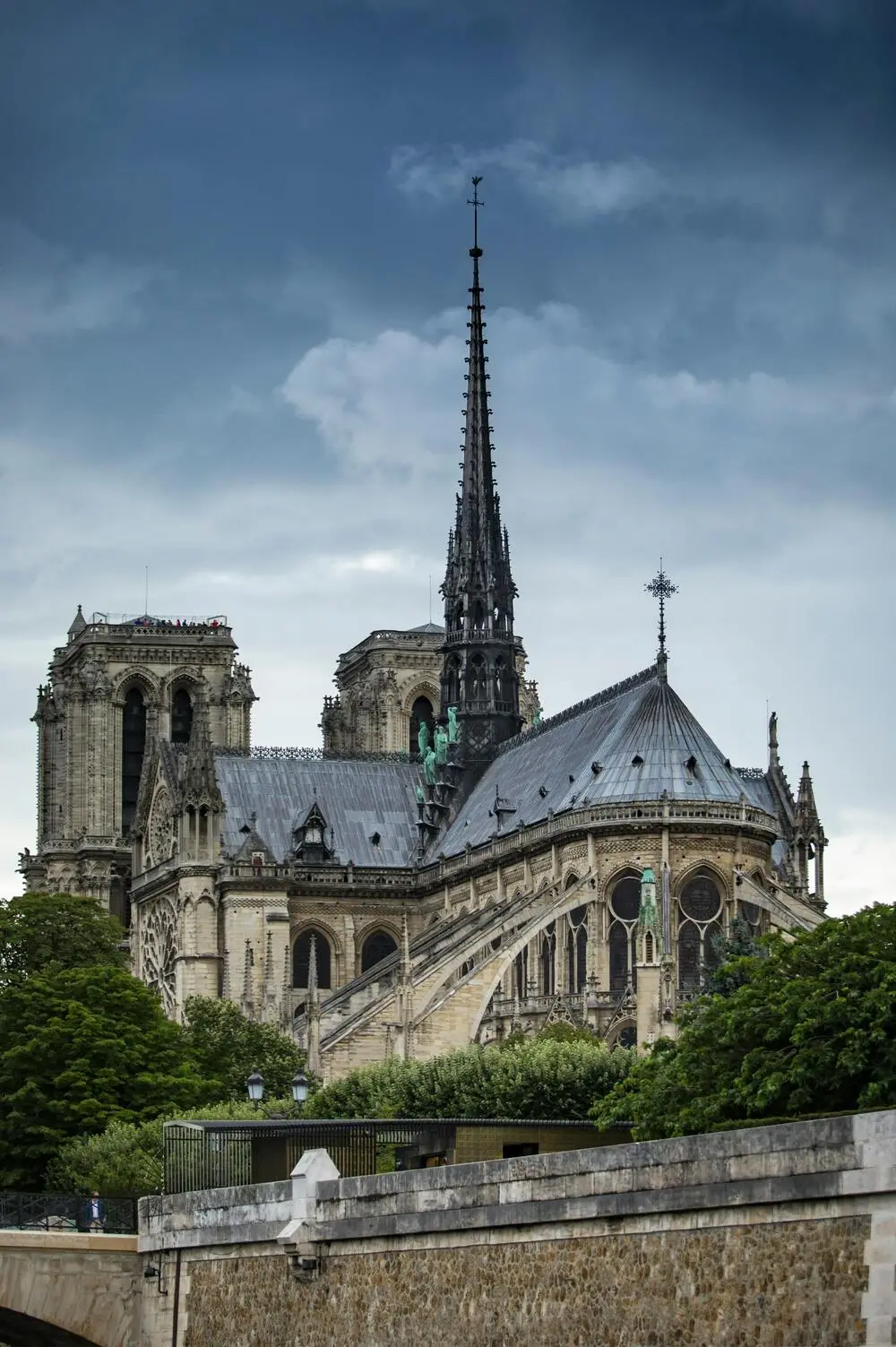
Notre-Dame
10 min
12 Rue Vieille-du-Temple · 75004 Paris
Book
Stay
in the Marais
19 rooms in an 18th-century townhouse. One of the district’s most singular addresses, just moments from everything that makes Paris unforgettable.